

Addiction Counseling

Alcohol & Drug Addiction
According to the National Alliance on Mental Illness (NAMI), substance abuse, behavioral addictions, and mental health issues go hand in hand. Many people who suffer from alcohol or drug addiction or use other illegal substances do so to cover up the symptoms of mental health disorders. With additional training in clinical mental health counseling and trauma counseling, I am able to provide an informed approach that addresses each of these components, especially when they interact.
Often, alcohol, substances, and behaviors are used interchangeably. I am licensed to assess for problematic use and substance use disorders (SUD) and alcohol use disorder (AUD). Substances are classified in different categories, such as stimulants, depressants, hallucinogens, inhalants, cannabinoids, opioids, and other psychoactive substances. Understanding the neurobiology of addiction and how to adequately conceptualize a client's needs are essential to effective treatment.
Screens and assessments are important as they can expedite treatment, inform the treatment process, and determine the appropriate level of care.
SASSI: Substance Abuse Subtle Screening Inventories
Reach out here for drug and alcohol addiction treatment in Dallas, Tx.
Process Addictions
A process addiction, also known as a behavioral addiction, involves compulsive engagement in certain activities or behaviors that provide a sense of pleasure or relief. These behaviors can become excessive, interfering with daily functioning, relationships, and overall well-being. The types of process addictions that I specialize in include:
Gambling addiction
Shopping addiction
Sex addiction
Pornography addiction
Pornography & Sex Addiction
As an Associate Sex Addiction Therapist, I specialize in treating pornography and sex addiction.
What is Sexual Compulsivity? Quoted from the Institute of Trauma and Addiction Professionals: “The International Classification of Diseases (ICD-11), established by the World Health Organization (WHO), recognizes Compulsive Sexual Behavior Disorder (CSBD) as a distinct impulse control disorder. CSBD is characterized by persistent, unsuccessful attempts to control intense sexual urges, leading to repetitive sexual behaviors over six months or longer.
Key symptoms of CSBD include:
Overwhelming preoccupation with sexual activities that interferes with daily life, health, and responsibilities
Repeated unsuccessful attempts to reduce or control sexual behaviors
Continued engagement in sexual activities despite negative consequences to self and others
Importantly, the distress associated with CSBD extends beyond personal moral judgments about sexual impulses or behaviors.”
MAWASI - Money and Work Adaptive Styles Index - Revised
PTSI-R - Post-Traumatic Stress Index - Revised
SDI - Sexual Dependency Inventory
SDMI - Sexual Digital Media Inventory
Assessments typically used:
Both problematic sexual behavior and sex addiction can significantly impair functioning across multiple life domains, including work performance and loss of employment, academic achievement, family disruption, relationships, and emotional distress such as shame, anxiety or depression. Do you ever wonder if your sexual behavior is concerning? Screening tools, such as the Sexual Addiction Screening Test (SAST), can also be a helpful starting point in determining whether this may be a concern.
Treatment is centered on individualized, goal-oriented therapy designed to reduce distressing sexual behaviors through a comprehensive assessment of personal history, triggers, stressors, family-of-origin influences, trauma, and current health concerns. Together, we develop a clear and personalized treatment plan that includes creating a sexual sobriety plan, which, for many, supports an initial period of sexual abstinence and fosters relief from secrecy, improved emotional well-being, restored self-respect, and renewed hope for lasting change. Group therapy is strongly recommended alongside individual work to provide additional accountability, support, and connection throughout the recovery process.
If you are seeking greater freedom, healthier relationships, and a clearer understanding of emotional and relational well-being, I use the task-model developed by Dr. Patrick Carnes to offer professional support to help you break free from unwanted and habitual sexual behaviors.
For partners and spouses affected by one’s behavior, please visit the Affair & Betrayal Trauma page.
Reach out here for pornography and sex addiction treatment in Dallas, Tx.
Gambling Addiction
As an International Certified Gambling Counselor, I specialize in treating problem gambling and gambling disorder.
What is Gambling Addiction? Gambling is on a use continuum, from non-gamblers, to recreational gamblers, to “at-risk” gamblers, to problem gamblers, to what is commonly referred to as gambling addiction. In clinical terms, this is called a gambling disorder that has different levels of criteria (mild, moderate & severe) within the (DSM 5-TR) Diagnostic and Statistical Manual of Mental Disorders, Fifth Edition, Text Revision. Symptoms of a gambling addiction include:
1. Needs to gamble with increasing amounts of money in order to achieve the desired excitement.
2. Is restless or irritable when attempting to cut down or stop gambling.
3. Has made repeated unsuccessful efforts to control, cut back, or stop gambling.
4. Is often preoccupied with gambling (e.g., having persistent thoughts of reliving past gambling experiences, handicapping or planning the next venture, thinking of ways to get money with which to gamble).
5. Often gambles when feeling distressed (e.g., helpless, guilty, anxious, depressed).
6. After losing money gambling, often returns another day to get even (“chasing” one’s losses).
7. Lies to conceal the extent of involvement with gambling.
8. Has jeopardized or lost a significant relationship, job, or educational or career opportunity because of gambling.
9. Relies on others to provide money to relieve desperate financial situations caused by gambling.
Assessments used:
PGSI - Problem Gambling Severity Index
GPQ - Gambling Pathways Questionnaire
IGS- Inventory of Gambling Situations
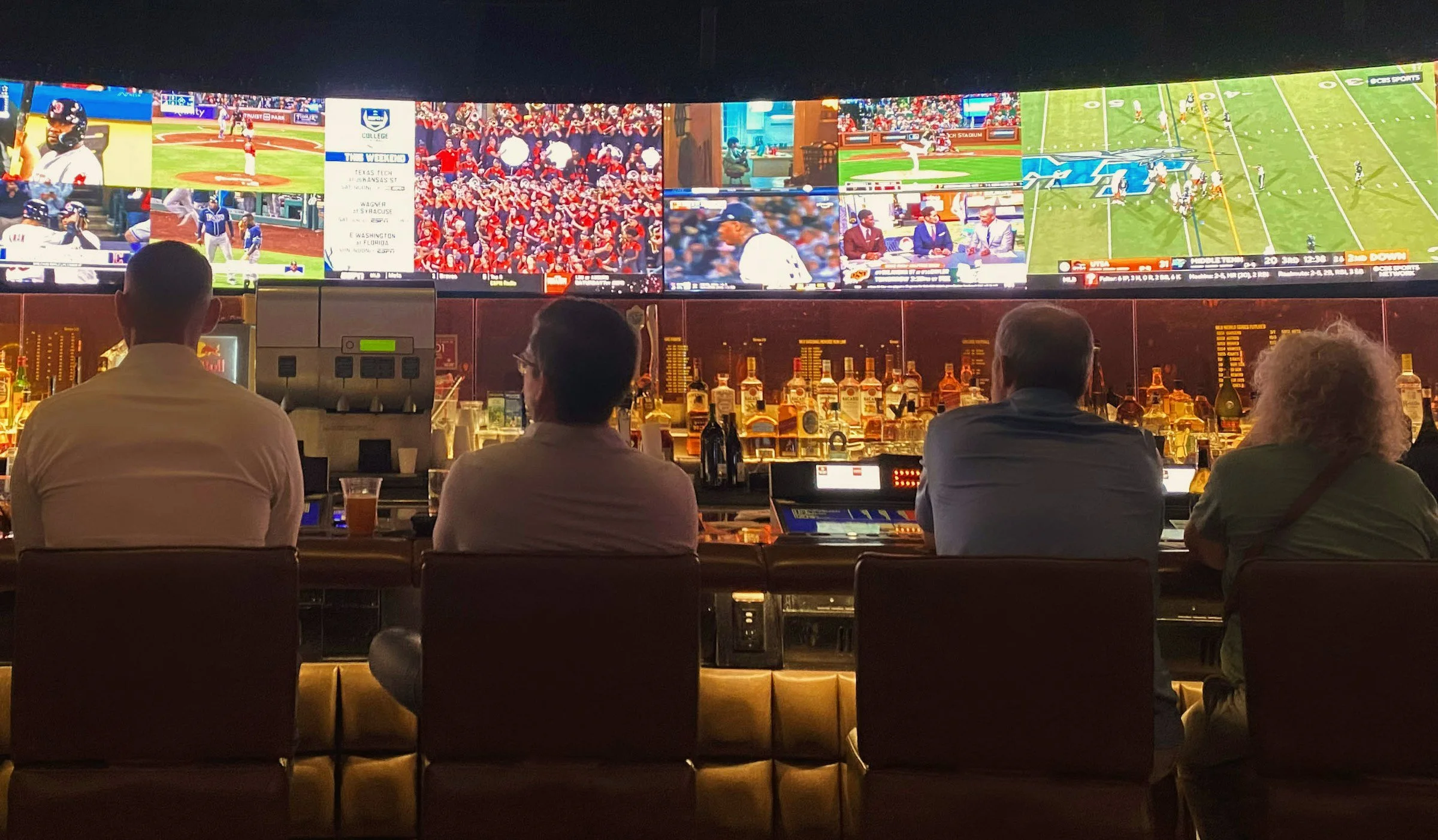
As an International Certified Gambling Counselor (#1514), I am trained to screen and assess, and ultimately treat gamblers who are experiencing harm and need informed care.
If you are curious if you or a loved one might be at risk or have a gambling-related problem, or you would like to know if scheduling an appointment is necessary, please consider answering the Brief Biosocial Gambling Screen Questionnaire:
1. During the past 12 months, have you become restless, irritable, or anxious when trying to stop/cut down on gambling?
2. During the past 12 months, have you tried to keep your family or friends from knowing how much you gambled?
3. During the past 12 months, did you have such financial trouble as a result of your gambling that you had to get help with living expenses from family, friends, or welfare?
If any of the questions were answered “yes,” the person is at risk for developing a gambling problem, and scheduling an assessment is merited.
Reach out here for gambling addiction treatment in Dallas, Tx.